Debt vs. Education
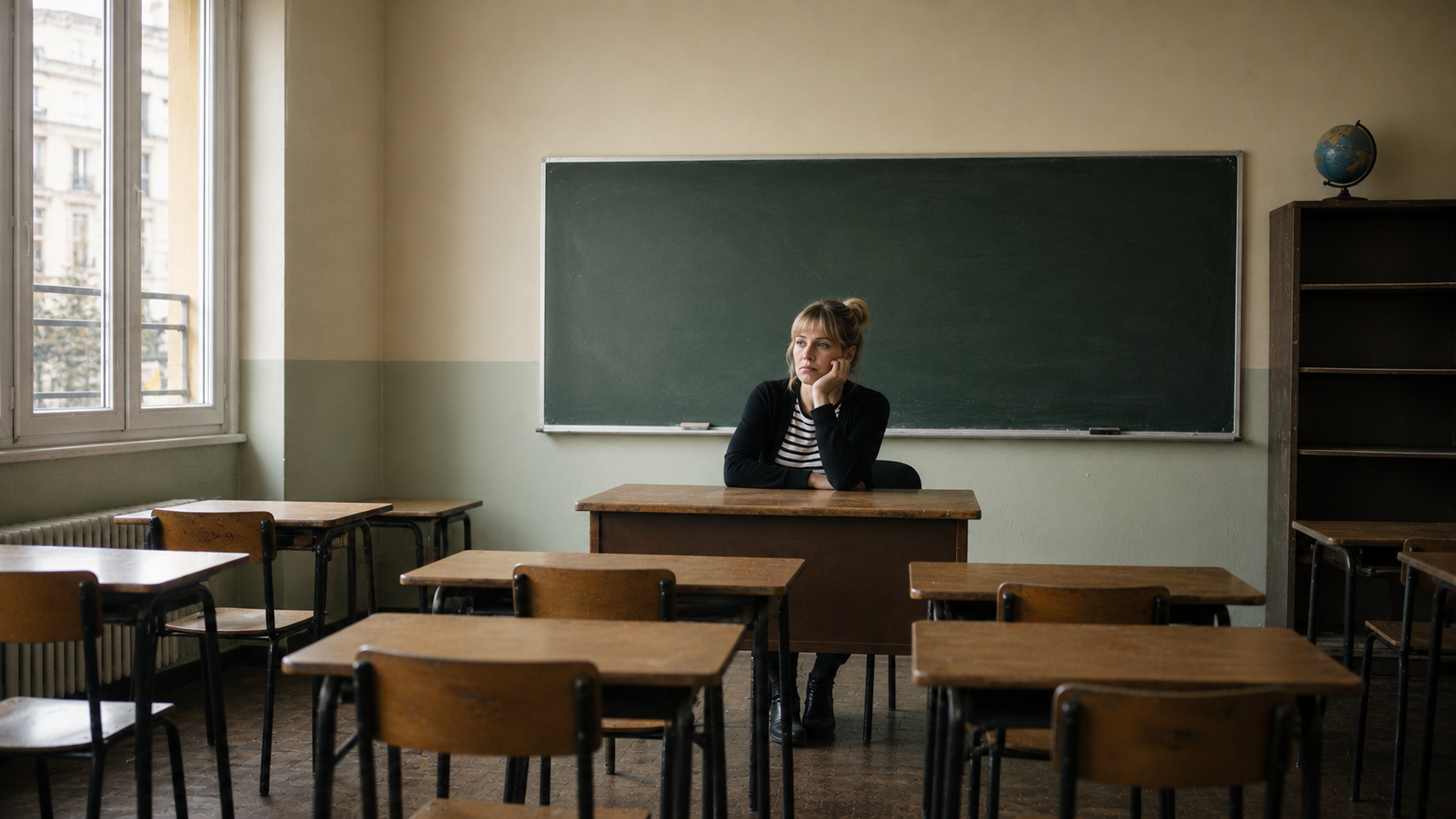
We love to lament the permanent “crisis” of our global education systems, weeping crocodile tears over the increasingly shallow and impoverished academic performance of modern youth. However, before embarking on this intellectual autopsy, we must first applaud an absolute historical masterpiece: the post-colonial bait-and-switch. Since the ingenious financial architects at the 1944 Bretton Woods conference effectively retired crude imperial colonization to inaugurate the far more elegant era of financial neocolonization, the sovereign welfare mechanism of vulnerable nations across the Global South has been systemically and masterfully shattered.
The root of this magnificent social catastrophe can be neatly narrowed down to a single, beautiful word: debt. Today, the Southern Hemisphere is completely flooded with unpayable public liabilities in addition to the eternal corruption that hides these issues. Instead of funding domestic development or nurturing human capital, developing nations are structurally coerced to reallocate external aid and aggressively strip public budgets to the bone. This profound fiscal sacrifice is carried out for a singularly noble cause: ensuring flawless, timely interest repayments to the World Bank, the International Monetary Fund, and an array of fiercely accommodating private development banks and wealthy creditor states.
This structural rearrangement brings us to a spectacularly bleak statistical irony. According to empirical data from the UNESCO Transforming Education Summit, a staggering 113 countries, housing 6.1 billion people, now spend significantly more on foreign debt servicing than on educating their children. In Sub-Saharan Africa, resource-stressed governments spend an astonishing 3.6 times more on appeasing external creditors than on local schools. Why invest in future domestic scientists and critical thinkers when you can easily appease a balance sheet in Washington, New York, or London?
Consequently, essential social welfare projects such as universal education and basic public medical care are the very first budgets to suffer these devastating surgical reductions. This forced fiscal austerity locks a massive, measurable number of vulnerable children and teenagers entirely out of the formal learning system. But we must look on the bright side. By starving public classrooms, we aren't creating a completely idle generation; we’re simply outsourcing their vocational training directly to forced labor, illicit trades, and the highly efficient, merit-based corporate structures of transnational mafia gangs. After all, why teach a child algebra when a local criminal enterprise offers a much faster, tax-free path to financial liquidity?
Want to explore more, visit Samsara News!