Cold War 2.0
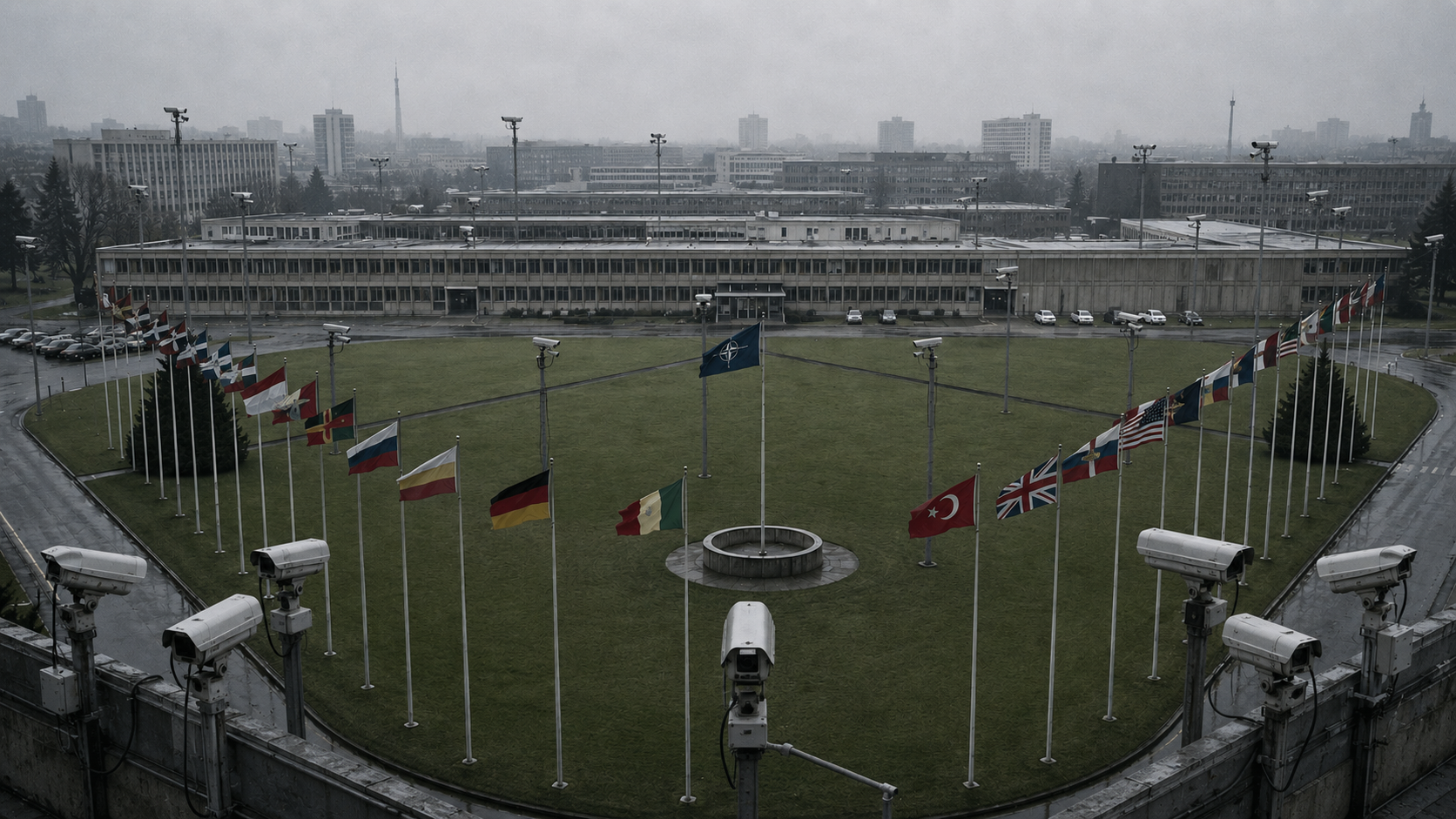
Espionage is humanity’s second-oldest profession, trailing only behind the red tape invented to spy on it. From Sun Tzu’s ancient operatives to trench-coated agents swapping microfilm on foggy Berlin bridges. Back then, spies earned honest pay by risking execution, hopping borders with counterfeit passports, and wiring telegrams from tavern basements. The tradecraft relied on charismatic deception, physical surveillance, and genuine risk.
Fast forward to the 21st century, and the cloak-and-dagger spy saga has devolved into an absurd HR department nightmare. Enter NATO’s latest espionage dramedy: an intern holding dual Canadian and Chinese citizenship, arrested on suspicion of covert operations. Western intelligence naturally panicked. After all, Beijing holds an informal doctorate in industrial espionage and tech reverse engineering, while Ottawa is famous for too-polite diplomacy. Still, Canada must feel immense relief knowing it isn't being blamed for aggressive maple syrup cartel operations this time. The narrative immediately satisfied every geopolitical cliché, blending Western paranoia with Beijing's espionage reputation.
Yet, evaluating the structural reality of international security bodies, one must ask what secrets a low-level intern could actually access. In the Kafkaesque halls of Brussels, interning mostly involves formatting PDFs, fetching coffee for diplomats, and battling locked SharePoint directories. It’s far more plausible that an overworked bureaucrat accidentally triggered a security lockout, panicked after mistyping an admin password, and promptly accused the nearest dual-national of treason to mask incompetence. Rather than admitting technical illiteracy, blaming foreign agents remains the standard bureaucratic survival tactic.
Or perhaps we’re witnessing the institutional schizophrenia of an alliance trapped in a perpetual Cold War loop. In an era where hybrid warfare blurs digital lines and Five Eyes networks obsess over lineage, holding a non-member passport is treated like carrying enriched uranium. Rather than fixing real systemic cybersecurity vulnerabilities, the alliance defaults to reactionary xenophobic paranoia, viewing anyone with foreign heritage as a sleeper agent awaiting signals from Beijing or Moscow or North Korea or Iran.
Ultimately, the Cold War never truly ended; it merely exchanged leather trench coats for plastic lanyards and nuclear silos for IT helpdesks. If a twenty-something intern armed with a PDF viewer can single-handedly destabilize trans-Atlantic defense, NATO’s greatest existential threat isn't foreign spies; it’s its own weaponized institutional paranoia. In the end, everyone frights, no secrets are leaked, and the bureaucracy awards itself another security budget increase.
Want to explore more, visit Samsara News!