Is Literature a Form of Art?
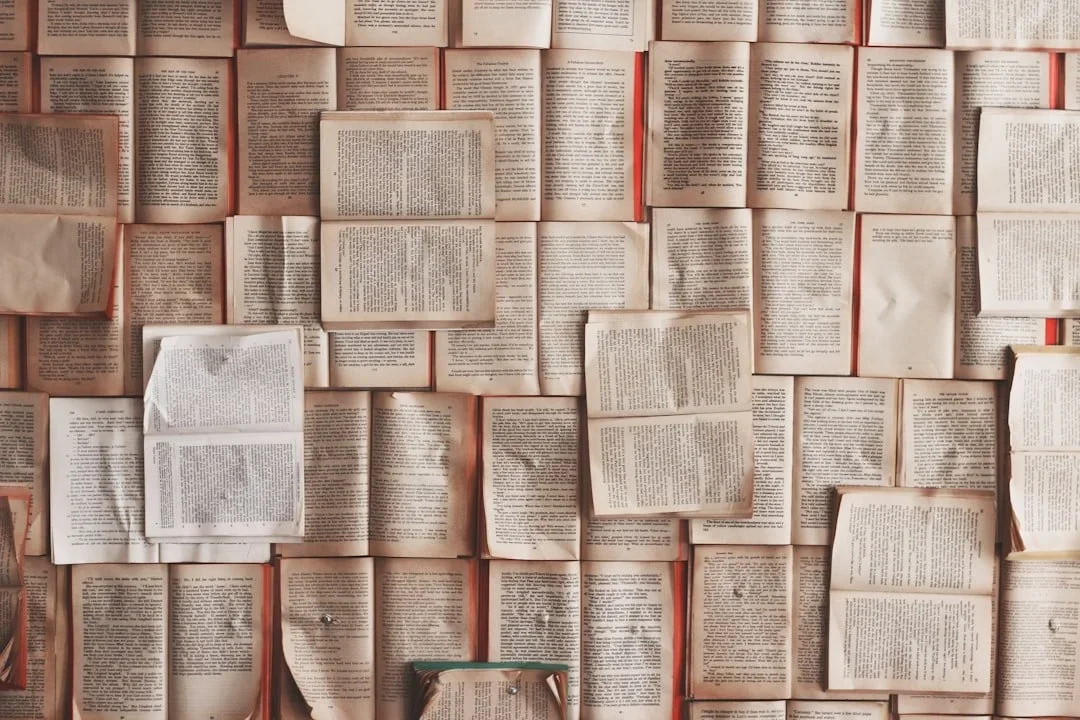
When we think of art, we often imagine paintings framed in quiet galleries, sculptures casting long shadows in public squares, or music rising through a concert hall. Art, in our minds, is something visual or audible — something we can see or hear.
But what about language?
Can words arranged on a page carry the same artistic weight as oil on canvas or notes in a symphony?
The answer is not only yes — it is inevitably yes.
Art Made of Language
Art is, at its core, an act of expression. It transforms experience into form. A painter works with color and light. A composer works with sound and silence. A writer works with language — the most flexible and intimate medium of all.
Through words, literature gives shape to emotion, memory, imagination, and thought. A novel can ache with longing. A poem can compress an entire life into a handful of lines. A play can stage the complexity of human conflict with nothing but dialogue and silence.
Literature does not merely communicate information. It creates experience.
The Oldest Artistic Medium
Long before museums and publishing houses, stories were spoken around fires. Myths, epics, and folktales carried culture, belief, and history across generations. Storytelling was never just entertainment — it was interpretation. A way of making sense of the world.
In that sense, literature is not a modern invention. It is one of humanity’s oldest artistic impulses: the urge to shape reality into narrative.
Craft, Style, and Creation
Like any art form, literature depends on craft.
Writers choose rhythm, tone, imagery, and structure with intention. They experiment with voice. They stretch syntax. They invent new ways of seeing. Shakespeare coined words because language itself was part of his artistic palette. Modern poets fracture grammar to reveal new meanings within it.
Creativity in literature is not decorative — it is structural. The art lies not only in what is said, but in how it is shaped.
The Power to Move and Transform
Art moves us. It unsettles, comforts, provokes, and awakens.
Literature does the same. It allows us to inhabit other lives, other times, other moral landscapes. It challenges assumptions. It widens empathy. It lingers long after the final page.
A powerful novel can alter how we see the world. A single poem can articulate what we have felt but never named. That is not mere communication. That is artistic transformation.
Recognition Is Only the Surface
Yes, literature receives awards, critical praise, and institutional recognition. But its status as art does not depend on prizes or libraries.
It depends on its capacity to create meaning.
If art is the shaping of experience into form, if it is the deliberate transformation of life into something communicable and resonant, then literature is undeniably art.
It is art made of breath and syntax, silence and rhythm.
A canvas made of language.
A masterpiece that unfolds one sentence at a time.
And every time you open a book, you are not just reading —
you are standing inside a work of art.
Looking to go further in your writing journey? Explore our full collection of writer tips, or browse our website to see these ideas come to life.
We also welcome new voices — if you’d like to share your work, submit your writing and join the Raw Literature community.