The Only Effective Regulation on Automation
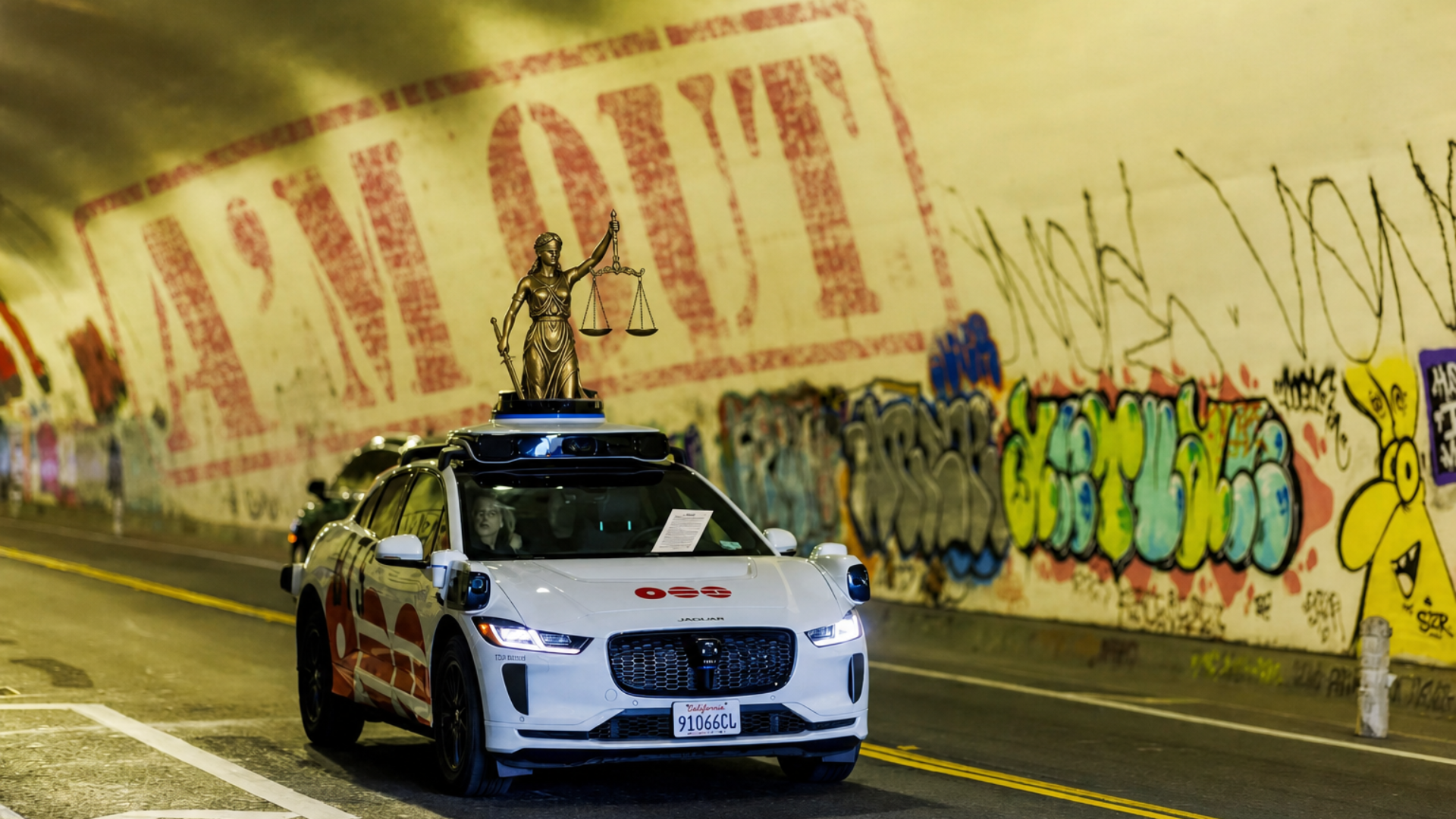
The California Department of Motor Vehicles has adopted new autonomous vehicle regulations to hold tech companies legally accountable on our streets. In the internet era, it has proven far easier to regulate the visible behaviors of algorithms than those of applications.
These rules, more comprehensive than laws governing traditional vices, are the direct result of an existential moral debate regarding whether a robotaxi's algorithm should prioritize saving elderly pedestrians or children. Now, companies like Uber must build these trolley dilemmas directly into their robotaxis while limiting autonomous speed behaviors.
Furthermore, the regulations officially allow law enforcement to issue “Notices of Noncompliance" and charge tech companies, such as Tesla, for moving violations committed by their driverless fleets. The manufacturer must now answer infractions as quickly as an AI bot, authorizing a rapid response line in under 6 seconds.
However, every autonomous vehicle on public roadways must still hold a proper vehicle registration, and not one authorized by Large Language Models (LLMs) like ChatGPT, Gemini, Grok, or Claude. Under the new framework, failing to maintain these standards will lead to fraud infractions and the complete removal of the autonomous vehicle fleet from California's streets. Until the system is perfected, every vehicle owner must hold themselves accountable in front of automated municipal judges, since answering “yes" or “no" to a bot is vastly more efficient, especially when human judges are overwhelmed by federal litigation.
For more satirical news, visit Samsara News!