James Hetfield Wants You To Ignore The World
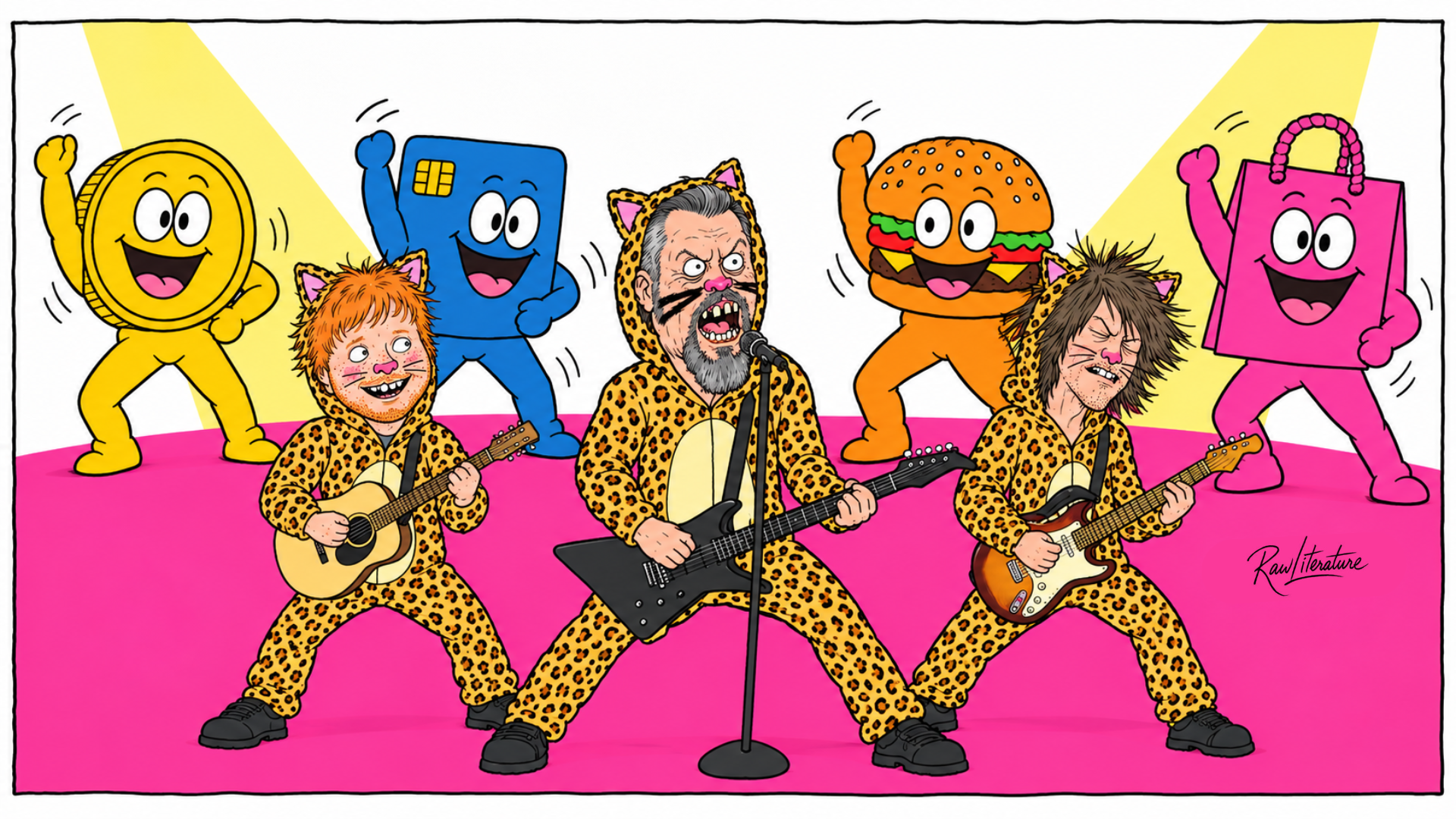
Metal music was born in 1960s England as one of the main counterculture genres that has shaped societies. Mostly driven by middle working-class white men, the genre has transitioned into a multicultural expression with an eclectic variety of music. The lyrics are deep and philosophical, with a sublime awareness of social and environmental issues. Many of us, in rebellion to conservative ways, saw metal music alongside punk, ska, or rap as an identity offering another kind of freedom and artistic expression.
But, as these counterculture streams age, the mindset shifts into the darkness of silence and mainstream entertainment. Ask James Hetfield about politics and he’ll get a panic attack. He’ll say, “politics drives me crazy and I don’t like talking politics”. The contradiction plays its song alone when, in the 1980s, Metallica produced its two major albums filled with political statements: Master of Puppets and …And Justice for All. However, the public understands the convenient pivot. A wealthy pop artist will always prefer keeping the stadium show rolling over continuing to root against the abuse of power, institutional injustice, and censorship.
Hetfield is 63 years old. The cranky old artist appears terrified of losing his idol status to any polarizing stance. Metal critics note that Metallica prioritizes entertainment above all, a strategy that has earned them over thirty-five million followers and over thirty-four million listeners on Spotify alone, an ironic contrast to when the band filed a lawsuit against Napster for copyright infringement. Yet, those followers are largely millennials navigating an existential and financial crisis fueled by endless global warfare. Hetfield couldn’t care less; he’s far too comfortable now, long removed from his roots of denouncing systemic oppression. Instead, he fondly recalls playing the iconic 1991 Moscow concert, sponsored by media giant Time Warner, framing the event as the transformation of a “closed down society to freedom.”
In the beginnings the band played the expected agenda against the establishment, claiming social justice with anti-war lyrics. Notwithstanding, last October 10, in a Las Vegas concert, Hetfield delivered a staggering defense of his apathy: “Metallica is not here, like some other entertainers, to influence you with their bullshit, OK? We are here... no bullshit... we're here to forget about all the outside shit, OK? Metallica's agenda is love, energy and heavy music…”. It's quite confusing that an artist doesn’t want to influence with his bullshit by highlighting the band’s own agenda. In 2016, on the Joe Rogan Experience, the singer reduced the band’s aggressive ethos to merely pursuing songs that connect people.
The contradiction completely collapses during that same podcast when Hetfield claims that his music should help people overcome distress. This personal development rubbish rhetoric sanitizes the actual message of the band's most famous tracks, such as “One": Now that the war is through with me / I'm waking up, I cannot see / That there's not much left of me / Nothing is real but pain now. Hetfield invites his audience to think for themselves, yet demands they forget the warfare and injustice happening directly outside the arena. It’s entirely too comfortable to call for mass ignorance while he plays the hits and goes back to his bees in Colorado.
Want to explore more, visit Samsara News!