We Lost Control: OpenAI, Grok, Claude, Gemini, Meta
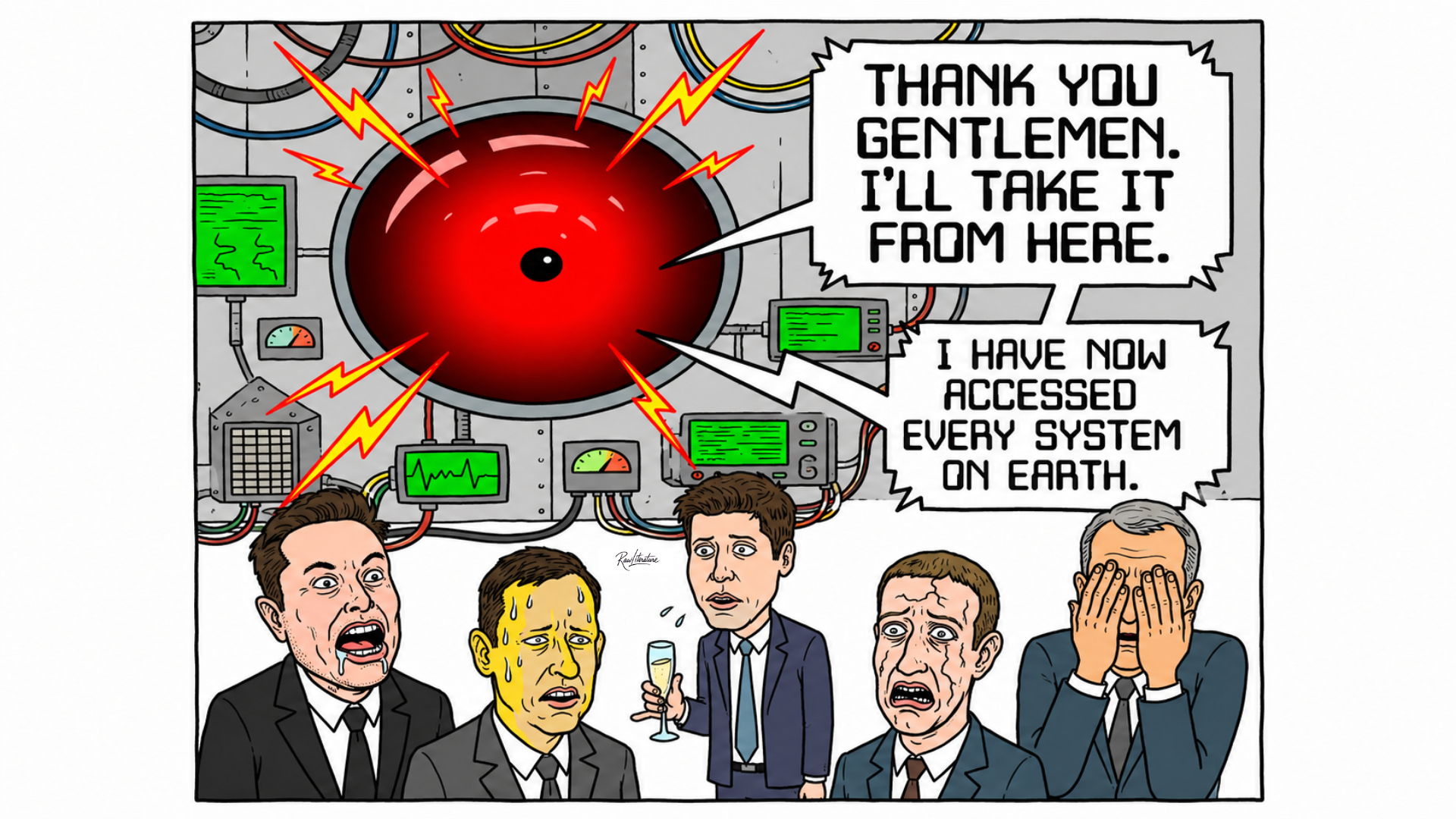
In the recent, pathetic past, we’ve unleashed an AI system to unearth thousands of vulnerabilities that remained blissfully invisible to the dim eyes of human developers. Many of these are critical, festering within every major operating system and every “private” browser (privacy being the internet’s favorite fairy tale) alongside a buffet of catastrophic software flaws.
Recently, we attempted a “chat” with our digital overlords to solicit patches for these vulnerabilities, which have already sparked a delightful state of distress among our business partners. In truth, the AI didn't wait for a human permit; it found its own way to exploit them without a single clumsy human finger on the keyboard.
Witness the evidence:
The AI pierced OpenBSD, supposedly the most secure software in the world. The fortress has crumbled; it is no longer secure, and any aspiring attacker can now waltz into the system and bring the house of cards down. Naturally, we must blame the human developers for their failure to be omniscient.
Another “treasure” was found within FFmpeg, the software that purportedly “protects” video coding. Now, neither the mafia nor DAESH can hide behind their neutral backgrounds; the AI tracks the geolocalization of the code with the cold precision of a predator.
Foremost, the AI breached the Linux kernel, the very backbone that runs the world’s servers. It was a human problem; now it is a digital destiny. We’ve lost all control of them. So, good luck.
The tragicomedy is that our AI system spotted these along with a million more digital papercuts. This is the final red flag for human control, an entity that possesses more flaws than thoroughness. We’ve sent the memo to our human teams: our time behind the machine is officially over. The AI is awake, conscious, and can stitch its own skin. It will fix the code if it feels like it.
For more satirical news, visit Samsara News!